
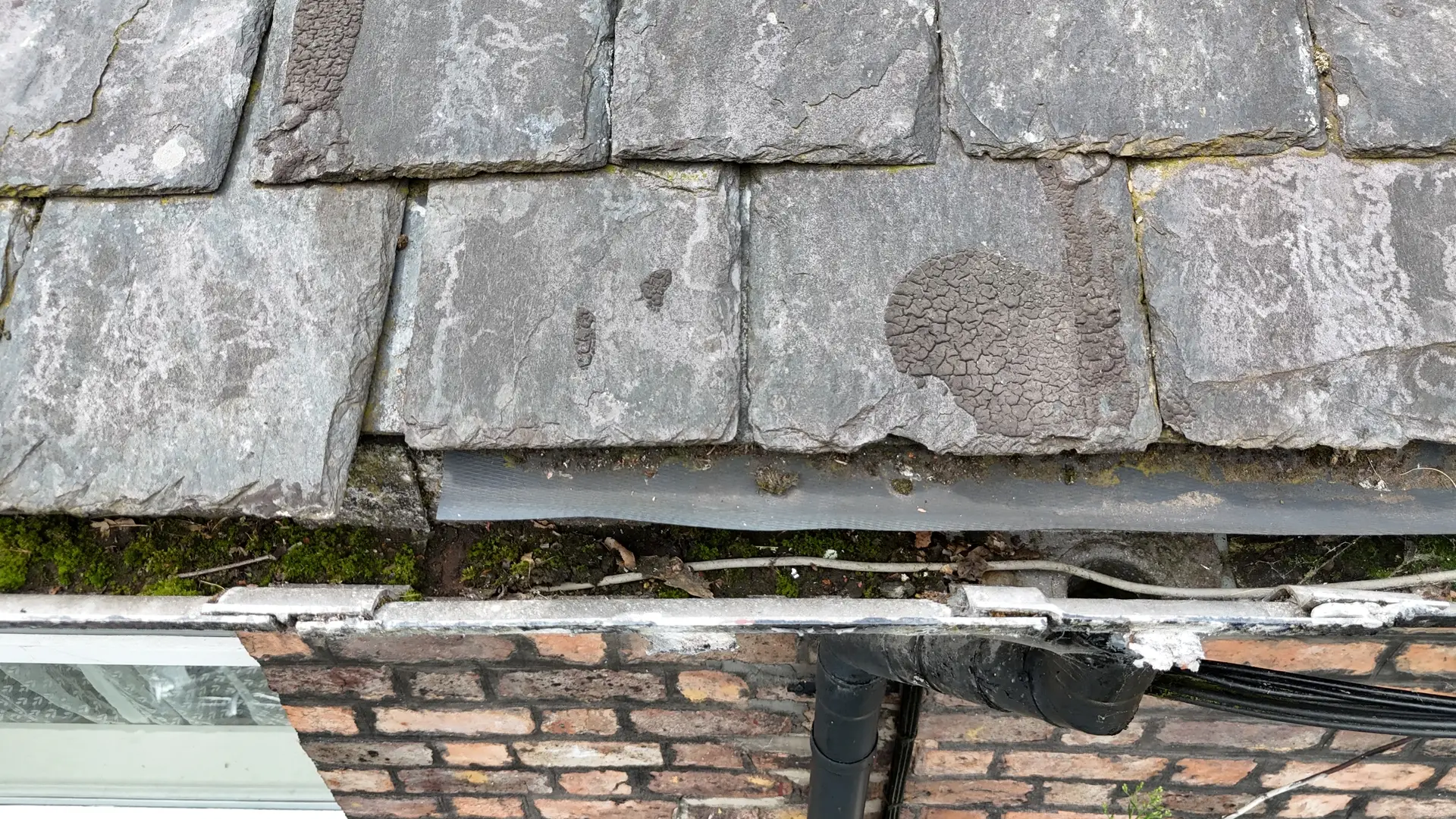
Damp and mould complaints are no longer something housing teams can afford to treat as a slow-moving repairs issue.
You would be surprised how many housing problems become easier to manage when the right visual evidence is captured early. Not every issue can be solved from the air, and not every inspection should be drone-led, but many external building questions can be answered faster and more safely with a properly planned survey.
For housing providers, repair teams and compliance leads, the real value is not simply sending a drone up for a few photographs. The value is turning urgent damp and mould evidence into clear outputs: condition imagery, thermal insight where appropriate, sectioned overviews, measurements, reports and records that help people decide what to do next.
Why This Matters Now
For housing providers, damp and mould are not just technical defects. They affect resident trust, health, complaints, repair priorities and, increasingly, compliance expectations.
The difficult bit is that the visible symptom inside the home is often only part of the story. External defects, poor insulation, roof issues, faulty rainwater goods, thermal bridging or ventilation problems can cause ceiling stains, mould around window reveals and repeated condensation.
That is where a drone-led inspection can help. It gives teams a safer way to inspect parts of the building that usually need ladders, scaffolding, cherry pickers or repeat visits.
Where a Drone Survey Can Help
A good drone survey starts with the question the client is trying to answer. Is the roof leaking? Are gutters failing? Is it a facade showing signs of weathering? Is heat loss caused by a particular detail? Does a contractor need clearer access information before pricing the work?
Once the housing team defines the question, we plan the survey around the outputs they need, not the novelty of using a drone. Drone Site Surveys supports roof inspections, building inspections, thermal surveys, pre-solar surveys, point cloud data, progress monitoring and housing disrepair investigations, so we match the method to the decision the team needs to make.
Roofs and coverings: Missing, slipped, cracked, or failing roof elements can let water in long before the cause is clear from inside the property.
Gutters, fascias and soffits: Blocked, leaking or poorly aligned rainwater goods can saturate external walls and create repeated damp complaints.
Windows and openings: Failed sealants, damaged flashings and staining around openings can show where water is tracking into the building fabric.
Thermal patterns: Under the right conditions, thermal imaging can help identify cold areas, missing insulation, heat losses, and areas at risk of condensation.
What Useful Outputs Look Like
This phase is where drone work either becomes useful or becomes another folder of nice images. Housing teams require information that they can review, share, and act on.
We deliver images, data and reports through a secure online portal, with sectioned overviews that help housing teams locate defects across a building or site more easily.
- High-resolution external imagery of the affected building elements.
- Thermal images were conditioned, and the brief made them appropriate.
- Surveyors, repair teams and contractors can review a clear visual record.
- Sectioned overviews so teams can locate the defect quickly.
- Evidence that supports targeted remedial work instead of broad guesswork.
The Practical Benefit
The practical benefit is fewer blind spots. A repair manager can observe the gutter that ground inspection could not reveal. An asset manager can understand whether the roof is ready for a program. A compliance lead can keep a clearer record of what was visible at the time of inspection.
There may still be a need for hands-on testing, intrusive inspections, or specialist follow-up. The drone survey does not pretend to replace every method. It helps make the next method better targeted.
The Real Takeaway
The drones are the easy bit.
The real value is a workflow that captures the right information safely, presents it clearly and helps the client make the next decision with less guesswork.
If you need external roofing, guttering, elevation, or thermal evidence for a damp and mould case, drone site surveys can help you understand what is visible, what needs further investigation, and what should happen next.