
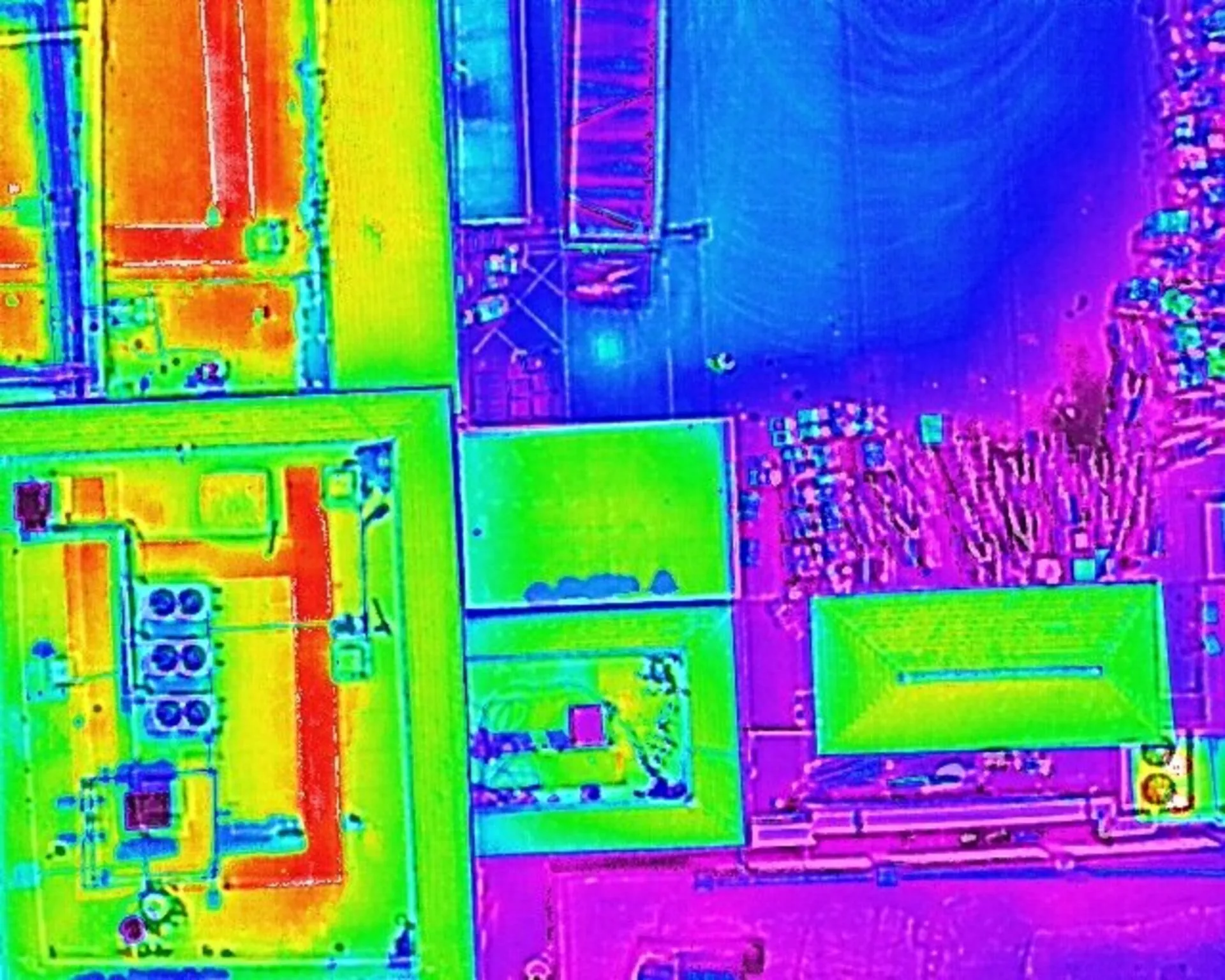
The challenge with energy performance is not only knowing that homes need improvement. It means knowing which ones need attention first.
The right visual evidence can make many housing problems easier to manage when teams capture it early. Drones cannot solve every issue from the air, and no inspection team should lead every survey with a drone, but a properly planned drone survey can answer many external building questions faster and more safely.
For asset strategy, sustainability and compliance teams, the real value is not simply sending a drone up for a few photographs. The value lies in transforming stock prioritisation into clear outputs: conditional imagery, thermal insights where appropriate, sectioned overviews, measurements, reports, and records that help people decide what to do next.
Why MEES 2030 Drone Thermal Surveys Matter Now
Retrofit is easiest to talk about at the strategy level and hardest to deliver property by property. Every building has its own conditions, history, defects, and access constraints.
Teams can use drone and thermal surveys to gain insights into the situation before finalising the specification. That can reduce abortions, make budgets more realistic, and help providers prioritise the homes where the intervention will have the biggest impact.
For housing stock, the value is not just in one survey. It is repeatable condition data that helps program teams compare buildings fairly, plan improvements more clearly and make better decisions ahead of MEES 2030 requirements.
Where a Drone Survey Can Help with Stock Prioritisation
A good drone survey starts with the question the client is trying to answer. Is the roof leaking? Are gutters failing? Is it a facade showing signs of weathering? Is heat loss caused by a particular detail? Does a contractor need clearer access information before pricing the work?
Once you define the question, the survey team can plan the drone site survey around the outputs you need, not the novelty of the drone. Drone site surveys support roof inspections, building inspections, thermal surveys, pre-solar surveys, point cloud data, progress monitoring and housing disrepair investigations, so the team can match the method to the decision you need to make.
External envelope: Roofs, elevations, rainwater goods and openings all influence whether retrofit measures will perform as expected.
Thermal anomalies: Thermal surveys can help identify heat losses, missing insulation, cold bridging, and moisture-related patterns when conditions are right.
Access and sequencing: Aerial imagery can help plan work, highlight accessibility constraints, and reduce uncertainty before contractors price the job.
Portfolio prioritisation: Comparable outputs help teams decide which homes need urgent attention and which can wait.
What Useful Outputs Look Like
This stage is where drone work either becomes useful or becomes another folder of appealing images. Teams in housing require information that they can review, share, and act on.
Images, data, and reports can be delivered through a secure online portal with sectioned overviews that make it easier to locate defects in a building or site.
- Condition evidence before retrofit design is fixed
- Thermal imagery to support heat-loss and insulation investigations
- Roof and elevation records for contractor scoping
- Survey data that supports phasing and prioritisation
- There is a clearer connection between the condition of the stock and the planning of investments.
The Practical Benefits for Housing Teams
The practical benefit is fewer blind spots. A repair manager can view the gutter that ground inspection could not reveal. An asset manager can understand whether the roof is ready for the program. A compliance lead can keep a clearer record of what was visible at the time of inspection.
There may still be a need for hands-on testing, intrusive inspections, or specialist follow-up. The drone survey does not pretend to replace every method. It helps make the next method better targeted.
The Real Takeaway for MEES 2030 Planning
The drone is only one part of the process.
The real value comes from a structured survey workflow that safely captures the right information, presents it clearly, and gives clients the evidence they need to make more confident decisions.
For housing providers planning energy improvements, Drone Site Surveys can support portfolio-level stock intelligence through thermal surveys and external condition inspections, and clear reporting designed to support better MEES 2030 planning.