
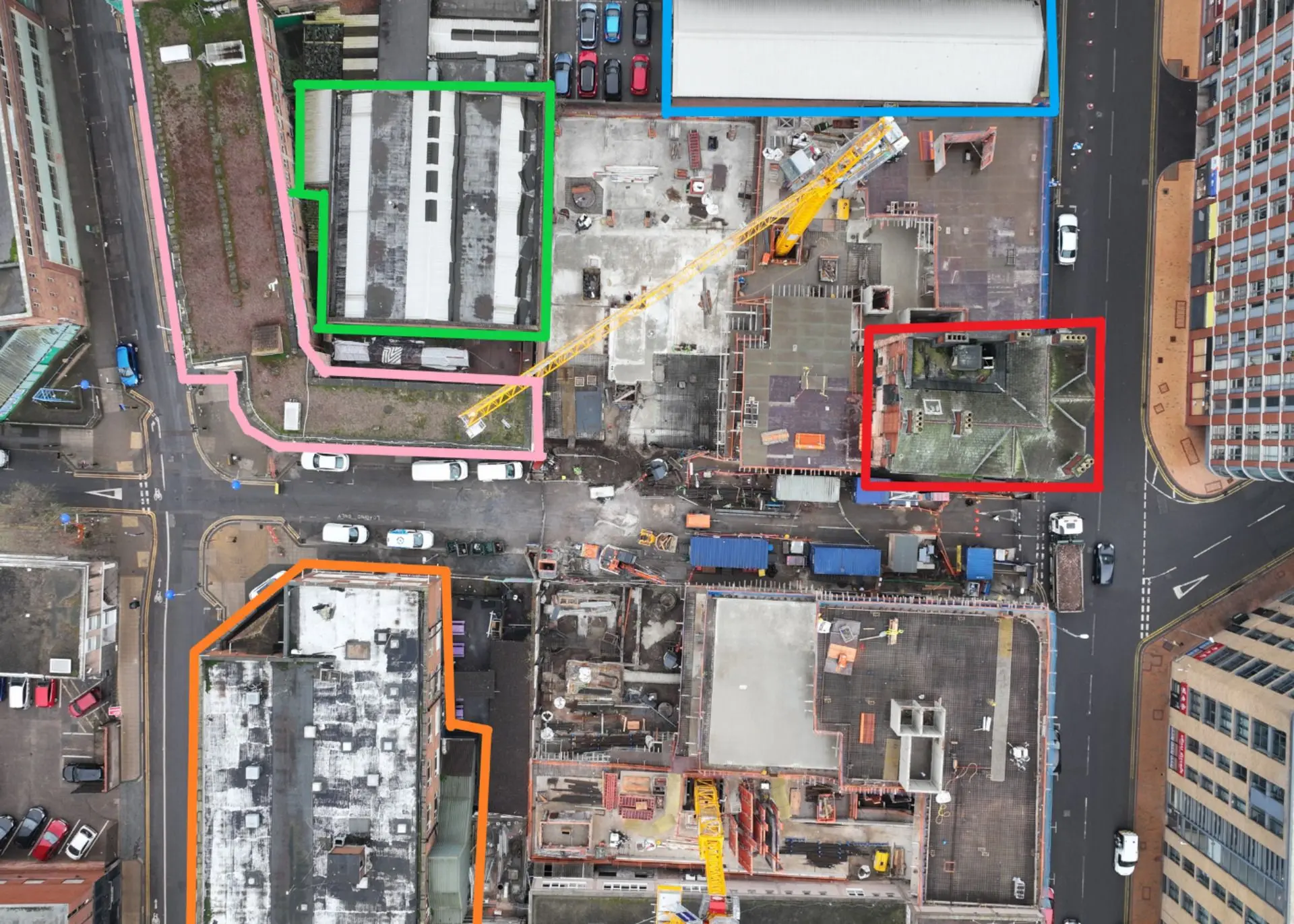
A well-managed building does not build a safety culture. It is built on being able to show what is known, what has changed, and what is being acted upon.
Capturing the right visual evidence early can surprise you by making many housing problems easier to manage. Not every issue can be solved from the air, and not every inspection should be drone-led, but many external building questions can be answered faster and more safely with a properly planned survey.
For accountable personnel, building safety leads, and resident engagement teams, the real value is not simply sending a drone up for a few photographs. The value is turning evidence-led safety culture into clear outputs: condition imagery, thermal insights where appropriate, sectioned overviews, measurements, reports, and records that help people decide what to do next.
Why Accountable Persons Need Clearer Building Evidence
Building safety requires solid information. Teams must know what they saw, what condition it was in, and what needs further study.
High-level construction parts are sometimes hardest to assess. Safely assessing roofs, gutters, parapets, facades, elevations, and external elements without access equipment is difficult. Traditional inspection procedures may be necessary, but they can be time-consuming and risky at height.
Drone surveys eliminate blind areas. It lets inspection teams take clear visual records of outdoor regions and gives technical teams evidence to examine, communicate, and plan next steps.
For accountable parties, this process organises building safety. It improves records, communication, and decision-making.
How Drone Surveys Support Safer External Inspections
A drone survey should always begin with the question that the client needs to answer. It’s not just about launching a drone into the air. The value lies in planning the survey around the building, the risk, the inspection brief and the output needed.
A housing team might need to know if a roof is leaking. The building safety lead may require evidence of staining, cracking or weathering of the facade. A repair manager must inspect some gutters that are not easily visible from the ground. A project team may need “before and after” records to monitor contractor progress.
Once the inspection question is known, Drone Site Surveys can plan the optimal strategy and acquire the right evidence. It may include roof inspection imagery, building inspection reports, thermal survey data, pre-solar survey evidence, point cloud data, progress monitoring records or housing deterioration inquiry photography.
The aim is always the same: capture the right information safely and present it in a format that helps the client act.
- Facades and elevations: Capture visual evidence of cracking, staining, spalling, failed sealants, fixings or other visible concerns.
- Roofs and high-level details: Inspect hard-to-access areas that may need remediation, planned works or further intrusive checks.
- Before and after records: Create a useful record before work begins and after contractors have completed key stages.
- Resident communication: Use clear imagery to explain what has been inspected and what will happen next.
What Useful Outputs Look Like
The usefulness of drone surveys hinges on the ability to examine, share, and utilise the data. Housing teams need more than aerial photos and high-quality images. They require clear visual evidence to assess the building’s condition and decide what to do.
Organise drone survey outputs by building, inspection brief, and concern. Examples include high-resolution imaging, sectioned elevation views, roof overviews, annotated defect photos, thermal data, and a written report detailing the inspection findings.
These outputs can help accountable parties, building safety leads, and housing teams improve records, contractor briefs, and resident updates.
Useful drone survey outputs may include:
- High-resolution images for technical review
- Clear records of roofs, gutters, facades and high-level details
- Sectioned building overviews that help teams locate visible defects
- Annotated images showing staining, cracking, damaged materials or blocked drainage
- Visual evidence to support repair scopes, planned works and remediation decisions
- Before and after records to compare building conditions over time
- Secure online access to imagery, data and reports for relevant stakeholders
- A repeatable inspection record that can be used for future comparison
This type of structured evidence helps teams move from general observations to practical next steps. Instead of relying on assumptions or limited ground-level views, decision-makers can review clear building condition evidence and use it to plan the right response.
Turning Visual Evidence into Better Building Safety Decisions
The primary advantage of drone surveys is mitigating blind areas. It assists building and housing teams to inspect sites that are unsafe, expensive or hard to reach.
A repair manager can check for hidden gutter damage or blockage. And then the asset manager may see if a roof requires extra repairs before putting it on a timetable. A compliance lead can maintain a more accurate record of the day’s inspection.
That is not to say that drone surveys replace all inspection procedures. Some concerns require hands-on testing, extensive inspection, scaffolding or specialised assessment. But drone surveys can help teams decide what to do next.
Capture visual evidence early to make better decisions, inform contractors more effectively and eliminate guesswork. This also increases the safety of buildings, as judgements are based on records and not on assumptions.
Drone footage alone does not concern accountable parties and building safety teams. The real value is in credible documentation of examination, findings and next steps.
Build a Clearer Safety Record with Drone Site Surveys
Only one step involves the drone. Real value comes from workflow.
Well-planned drone surveys gather the relevant data, eliminate access hazards, organise evidence, and assist clients in making decisions.
For accountable persons, building safety leads, and resident engagement teams, this promotes an evidence-based safety culture. It helps teams go from assumption to inspection, ambiguity to records, and fragmented knowledge to coherent action.
Drone site surveys can give precise imagery, structured reports, and visual records to support building safety conversations.