
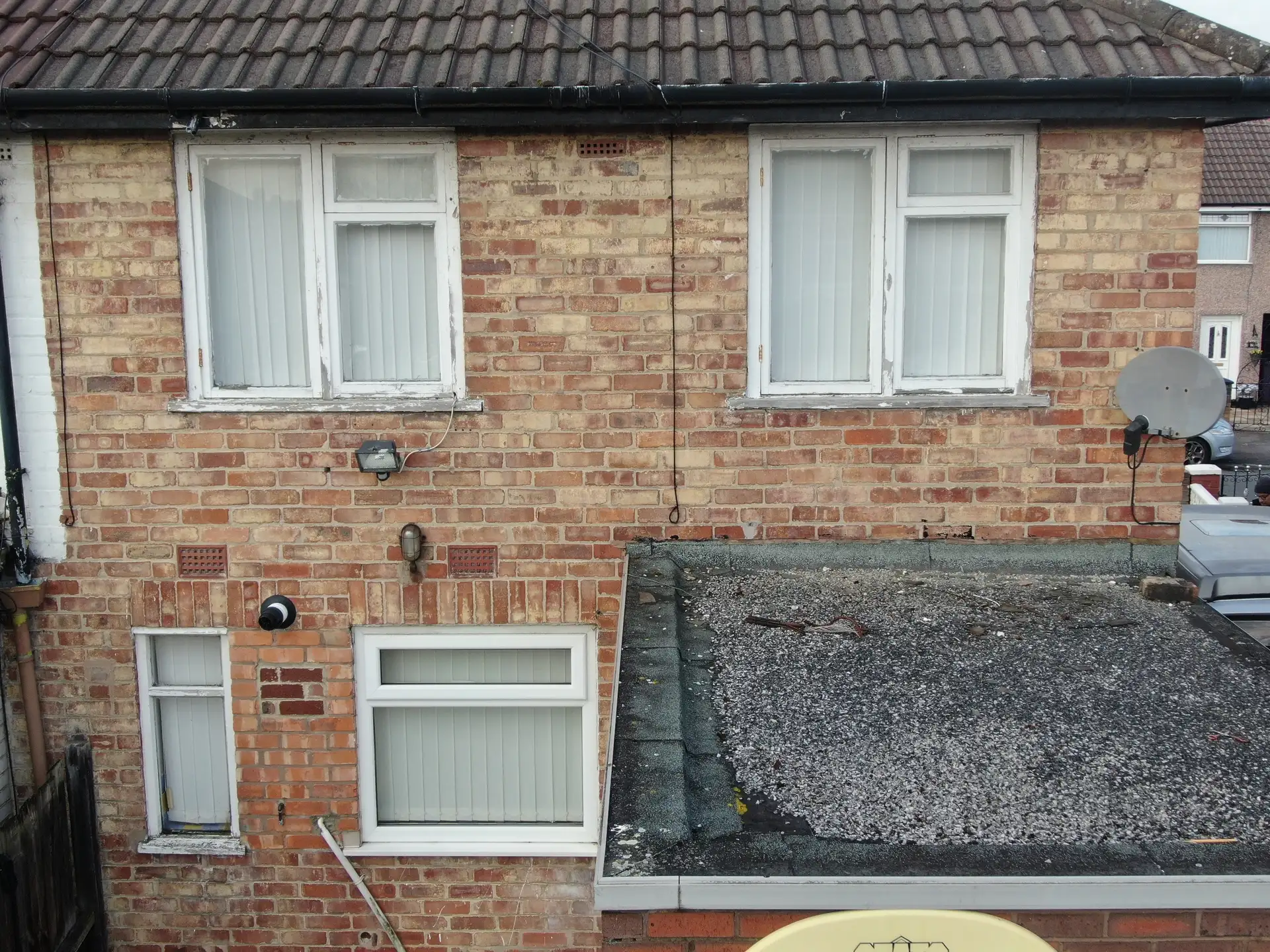
The housing repairs performance is hard to improve when teams are working from partial views, unclear scopes and repeat visits.
Capturing the right visual evidence early can surprisingly simplify many housing problems. Not every issue can be solved from the air, and not every inspection should be drone-led, but many external building questions can be answered faster and more safely with a properly planned survey.
For operations directors, repair leaders and performance teams, the real value is not simply sending a drone up for a few photographs. The value is turning fewer blind spots in repair operations into clear outputs: condition imagery, thermal insight where appropriate, sectioned overviews, measurements, reports, and records that help people decide what to do next.
Why Operational Control Matters in Housing Repairs
Operational control means knowing what is happening across repair activities and having enough reliable information to act with confidence. In practice, this can be difficult. A resident may report water ingress, stains, drafts, or dampness, but the source may sit outside the visible area of the home. A contractor may attend the site but needs further access before confirming the scope. A roof issue may look small from the inside but relate to a larger problem with coverings, flashings, or rainwater goods.
When the first view is incomplete, teams can lose time. Repeat visits increase pressure on schedules. Contractors may price work with uncertainty. Residents may feel frustrated when problems appear unresolved. Internal teams may also struggle to compare evidence across multiple properties or blocks.
Drone surveys can help by capturing external visual information earlier in the process. This gives teams a more complete view before they commit to heavier access methods, complex scaffolding, or a broader programme of work.
How Drone Surveys Support Housing Repairs Performance
A well-planned drone inspection starts with a clear repair question. The survey should not be about collecting as many images as possible. It should focus on the information needed for a decision.
- Likely defect sources: Roofs, gutters, chimneys, parapets, facades, flashings and windows can all be reviewed from above or from a safe standoff.
- Access constraints: Aerial imagery helps teams understand whether scaffolding, a cherry picker or specialised access is really needed for the next stage.
- Contractor scoping: Clear visuals can reduce ambiguity in the repair brief and help contractors price the work more confidently.
- Completion evidence: Follow-up imagery can help confirm whether visible works have been completed as expected.
What Useful Outputs Look Like
A drone survey becomes valuable when its results are easy to review, share and act on. A folder of images without context may create more work for busy teams. Structured outputs make the evidence more useful.
- Clear imagery that supports repair diagnosis and contractor briefing
- A visual record that can be shared between repairs, assets and customer teams
- Reduced the need for repeated access visits in many suitable cases
- Better evidence before committing to heavier access methods
- A more consistent approach across multiple homes or blocks
The Practical Benefit
It is important to be realistic. Drone surveys do not remove the need for skilled judgement, hands-on testing or specialist inspections. Some problems require intrusive investigation. Some defects sit behind finishes or within building elements. Weather, location, airspace, privacy, accessibility, and safety conditions can also affect whether a drone survey is suitable.
The method’s strength lies in its ability to reduce blind spots in areas with limited external visibility. A repairs manager can see roof details that were not visible from the ground. An asset manager can compare conditions across several buildings. A compliance lead can keep a record of what was visible at the time of inspection. A contractor can arrive with a deeper understanding of the work area.
The balanced use of drone data enhances operational control by improving the quality of information prior to making the next decision.
Where Drone Surveys Fit in the Housing Repairs Workflow
Drone surveys work best when they sit inside a clear repair process. They can support early triage, pre-work planning, contractor scoping, post-work reviews, and long-term asset monitoring.
At the triage stage, aerial imagery can help teams understand whether an external defect is likely to be involved. During planning, it can show access points, roof layouts, drainage details and building contexts. Before work is instructed, it can help create a clearer brief. After work, it can provide visible completion evidence where appropriate.
For larger housing providers, consistency matters. When teams survey several blocks or estates in a structured manner, they can easily compare their findings. This helps performance teams spot patterns, supports budget planning, and reduces uncertainty across the repair pipeline.
What to Consider Before Commissioning a Survey
Before arranging a drone inspection, repair teams should define the question they need answered. They should also consider the building type, site constraints, residents, neighbouring properties and the level of detail required.
A satisfactory brief may include the reported issue, the location of concern, previous repairs, known access limits and the intended use of the survey output. This helps the survey team focus on the evidence that matters.
Drone Site Surveys can support roof inspections, building inspections, thermal surveys, pre-solar surveys, point cloud data, progress monitoring and housing disrepair investigations. For housing repairs, the important point is choosing the right output for the repair decision, not simply choosing the most technical option.
The Real Value for Housing Providers
The practical value of operational control, housing repairs, and drone surveys is clearer evidence. When teams can see more of the external condition, they can reduce guesswork, brief contractors more effectively and make better decisions about next steps.
This does not make drone inspections a universal answer. It makes them a useful tool within a wider repairs and asset management process. Used well, they support safer inspections, more consistent records and fewer avoidable blind spots.
For housing teams under pressure to improve performance, the aim should be simple. Capture the right information early, present it clearly and use it to make the next action more focused.