
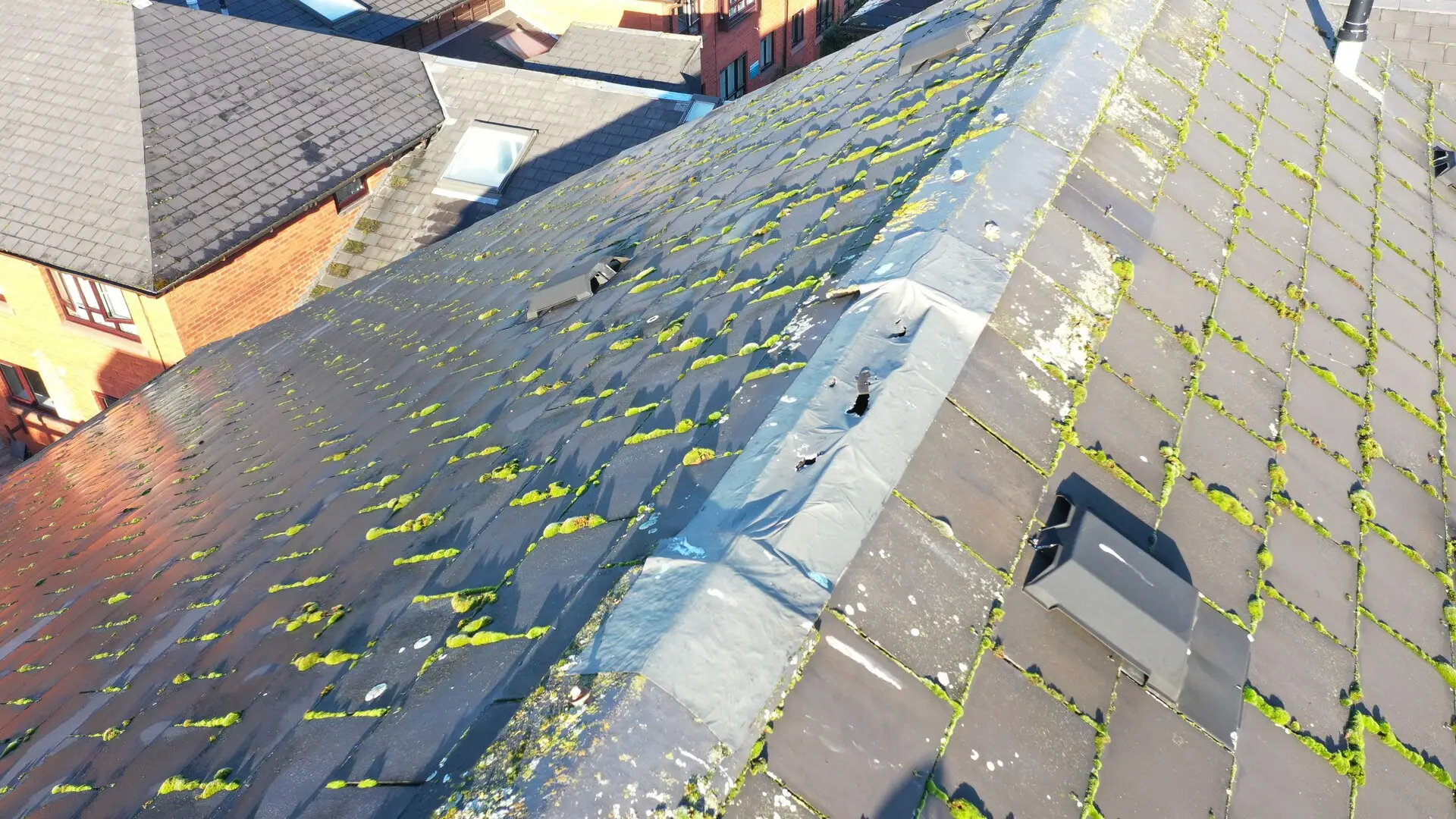
From a resident’s point of view, a housing repairs is usually more than a maintenance task. It can mean access to appointments, time away from work, worries about dampness, and the frustration of explaining the same problem more than once. When the issue is outside the home, such as a roof leak, blocked gutter, cracked chimney, loose flashing or weathered facade, the uncertainty can feel even greater.
The situation is where less disruptive drone inspections and housing repair teams can use information that may support better decisions. Drone surveys do not replace every inspection method, and teams should not use them as a shortcut when an issue needs a close physical assessment. For many questions about external buildings, aerial imagery can help teams see more clearly, plan more safely, and reduce avoidable disturbances for residents.
Why Residents Feel the Impact of Repairs
Residents often judge a repair journey by how clearly teams communicate it and how much disruption it causes. A little exterior flaw can become distressing if the initial inspection does not provide sufficient detail. Teams may need to revisit the property, contractors may arrive without the necessary information, and people may lose faith in the process.
Better evidence from the start can lead to first-time resolution, fewer return visits, and clearer updates. When teams can assess an external issue safely from a distance, they can often avoid repeated indoor access just to understand the outside of the building.
A thorough inspection still requires professional preparation, sound judgement, and clear reporting. The drone simply captures the evidence. The real value comes from how the provider interprets, organises and presents that evidence.
Why Early Visual Evidence Matters
External housing issues can be difficult to detect from the ground level. Hidden from view, a slipped tile, blocked valley, damaged outlet, or failing flashing may pose a challenge. A tenant may be able to accurately describe a leak, but the repair team needs to see it in person before they can decide what to do next.
Less disruptive drone inspections for house repairs can provide a more comprehensive view of the roof, elevation, gutter line, and surrounding area. This context helps teams understand whether the problem affects one property, appears across similar homes, relates to drainage or links back to a previous repair.
Early evidence also backs up decisions about proportional access. If the imagery indicates a higher-risk detail, the team can prepare the appropriate access route and adequately advise the contractor. If the fault appears minor and fixable, the next step may be easier.
Where a Drone Survey Can Help
The decision-making process marks the beginning of the most effective drone surveys. A maintenance manager may need to understand water ingress. A housing officer may require evidence to update a resident. An asset manager may wish to compare roof conditions across a block. Before estimating the cost of the job, a contractor might want clear photos.
Drone Site Surveys specialises in roof inspections, building inspections, thermal surveys, pre-solar surveys, point cloud data, progress tracking, and housing deterioration investigations. In each situation, the procedure should correspond to the question rather than forcing every job into the same survey structure.
- Likely defect sources: Roofs, gutters, chimneys, parapets, facades, flashings and windows can all be reviewed from above or from a safe standoff.
- Access constraints: Aerial imagery helps teams understand whether scaffolding, a cherry picker or specialised access is really needed for the next stage.
- Contractor scoping: Clear visuals can reduce ambiguity in the repair brief and help contractors price the work more confidently.
- Completion evidence: Follow-up imagery can help confirm whether visible works have been completed as expected.
What a Useful Drone Survey Should Provide for Repairs
This stage is where drone work either becomes useful or becomes another folder of appealing images. Housing teams require information that they can review, share, and act on.
Drone Site Surveys delivers images, data and reports through a secure online portal, using sectioned overviews to help teams locate defects across a building or site more easily.
- Clear imagery that supports repair diagnosis and contractor briefing.
- A visual record can be shared between repairs, assets and customer teams.
- Reduced the need for repeated access visits in many suitable cases.
- Better evidence before committing to heavier access methods.
- A more consistent approach is needed across multiple homes or blocks.
Making Resident-Friendly Inspection Part of the Process
Resident-friendly inspection is more than just deploying updated technology. It is about planning the repair process with transparency, safety, and consideration for people’s time.
Before conducting a survey, teams should determine what the resident needs to know, what the repairs team needs to decide, and what evidence will facilitate the next step. Where appropriate, a drone survey may decrease the need for recurrent access visits, provide teams with faster external context, and enable customer teams to speak more confidently.
In some cases, teams will still need a hands-on inspection, intrusive opening or specialised testing to confirm the issue. A prudent drone survey allows for more targeted follow-up measures. It helps to eliminate guesswork, but it does not replace professional judgement.
The Real Value for Repair Teams
Repair teams benefit from clearer evidence before making decisions. Drone inspections can help identify external defects, reduce unnecessary repeat visits and provide better contractor briefings.
For housing teams, this means safer inspection planning, clearer communication with residents and less disruption wherever aerial evidence is appropriate. Drone site surveys help capture practical visual records that support faster, more confident repair decisions.